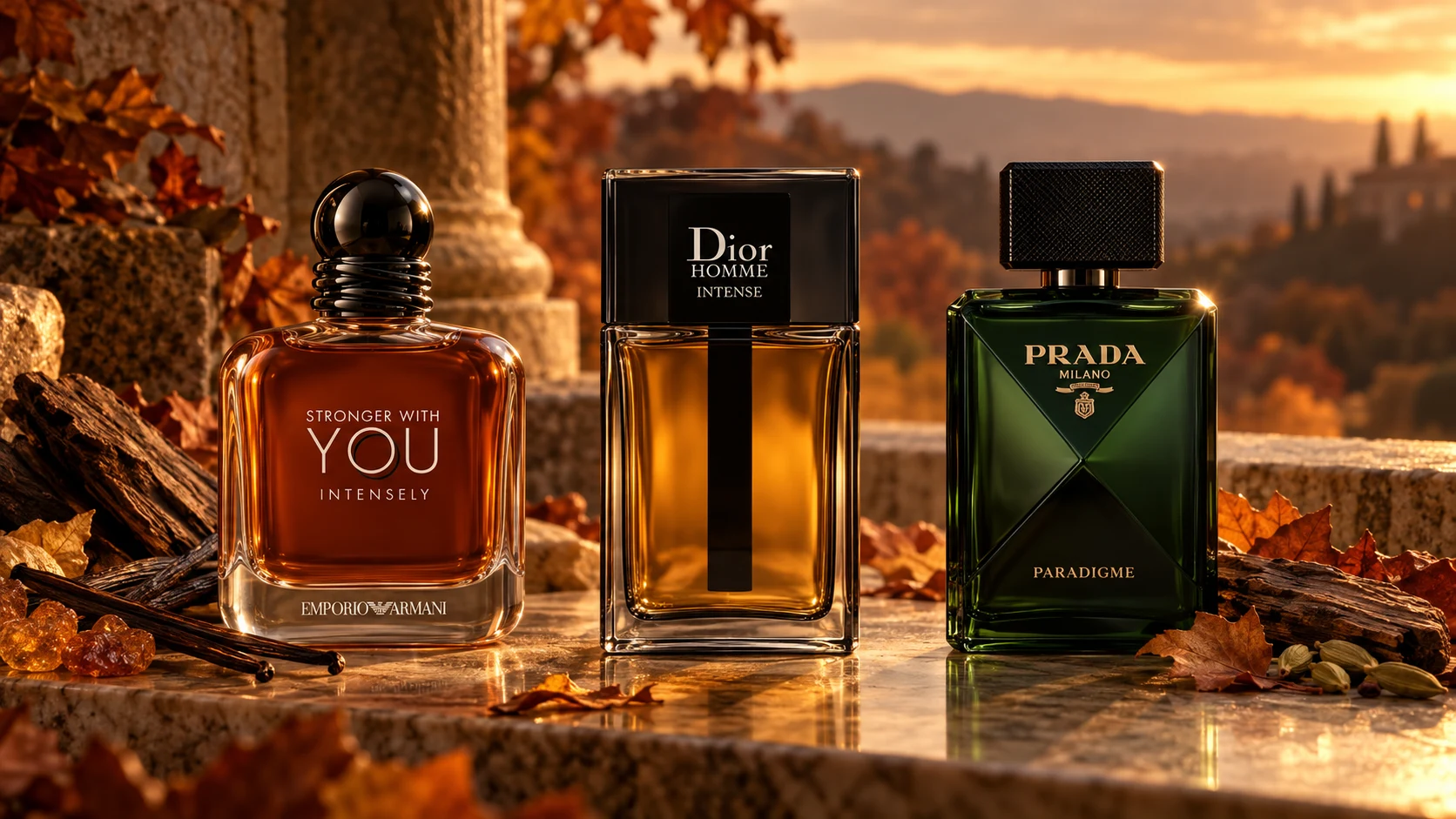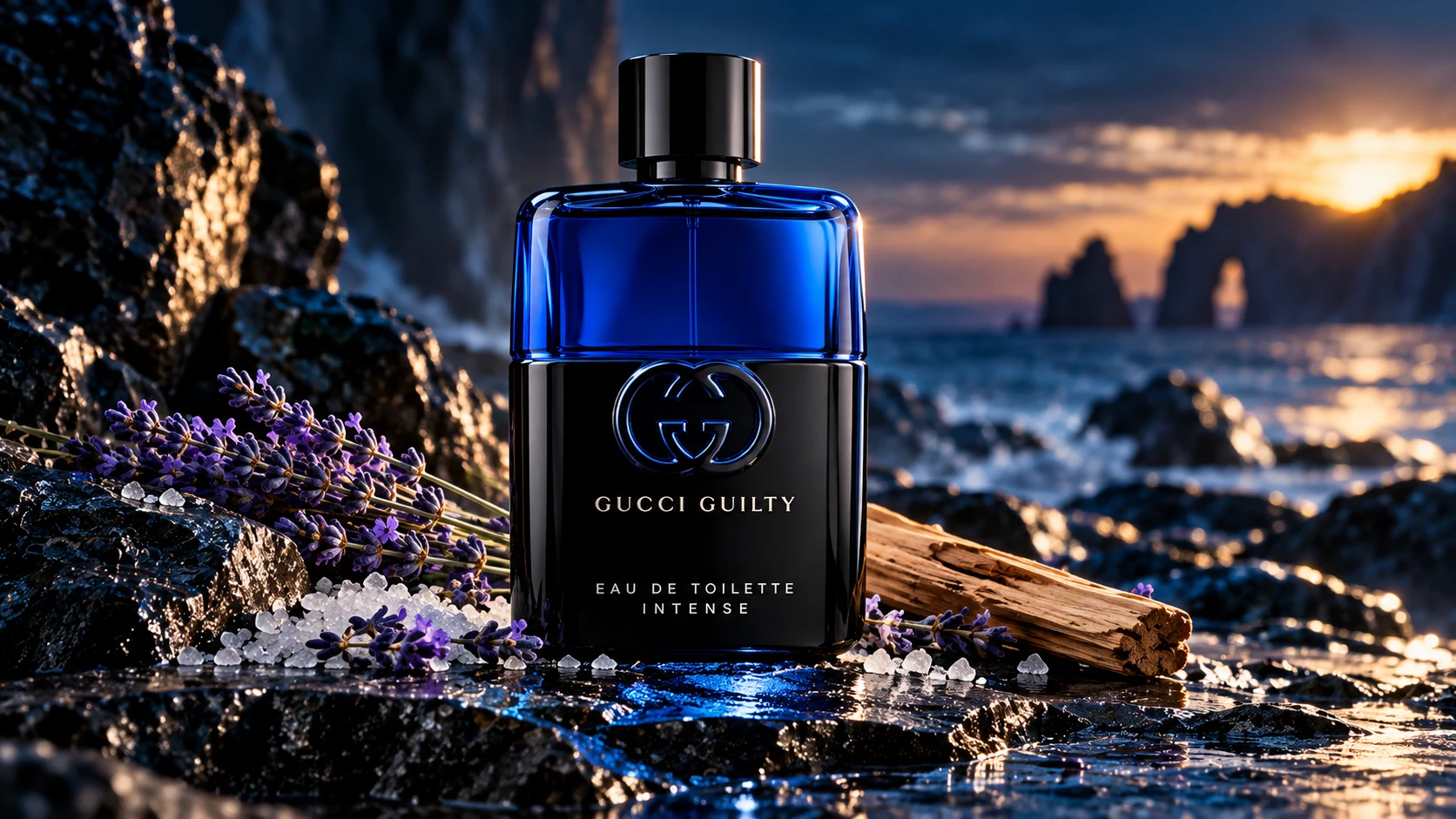

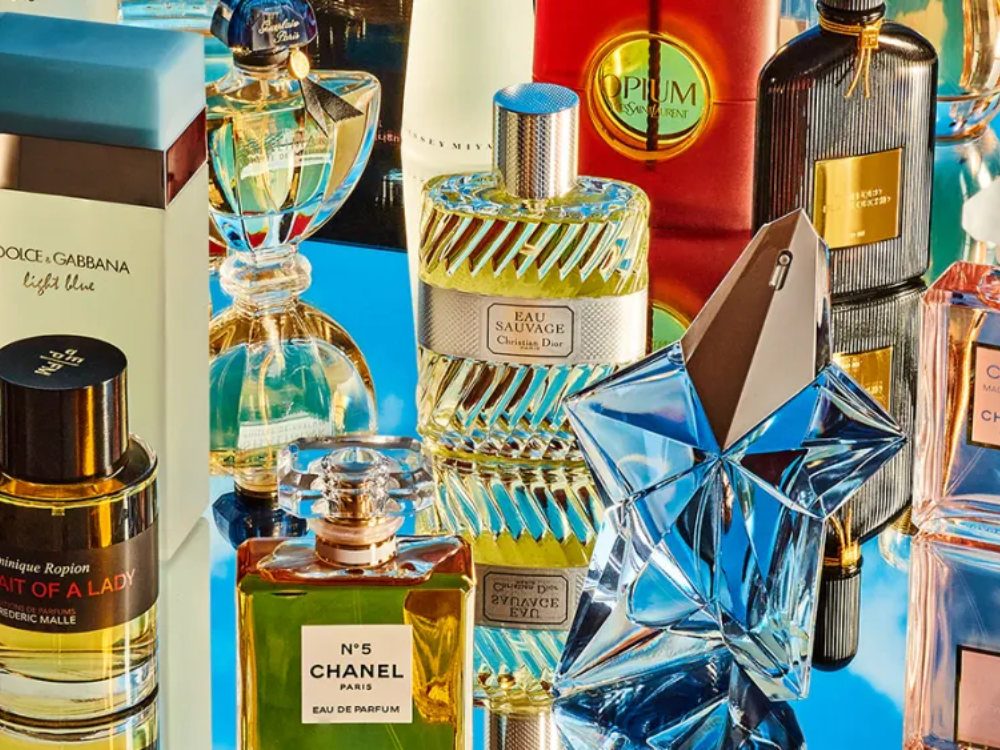
Japan, known for its rich history and deeply rooted cultural traditions, is going through an interesting change. In a country that has long valued modesty and simplicity, an unexpected revolution is taking place in the world of scents and perfumes. At the forefront are Japan's young people, who are boldly stepping onto a path where fragrance is no longer just a product but part of self-expression.
Table of contents
A traditionally scent-free culture
For centuries, Japan's fragrance traditions have been the complete opposite of what we know in the Western world. Scents were used mainly with delicacy and a clear purpose, such as incense in rituals and in the traditional art of fragrance, kōdō. In everyday life, neutrality prevailed, because a strong scent in a public space could disturb others.
Young people preferred a natural, understated presence, whose only "decoration" was a healthy, well-kept body. That pattern is now eroding, as Japan's youth redefine what it means to express personal identity in modern society.
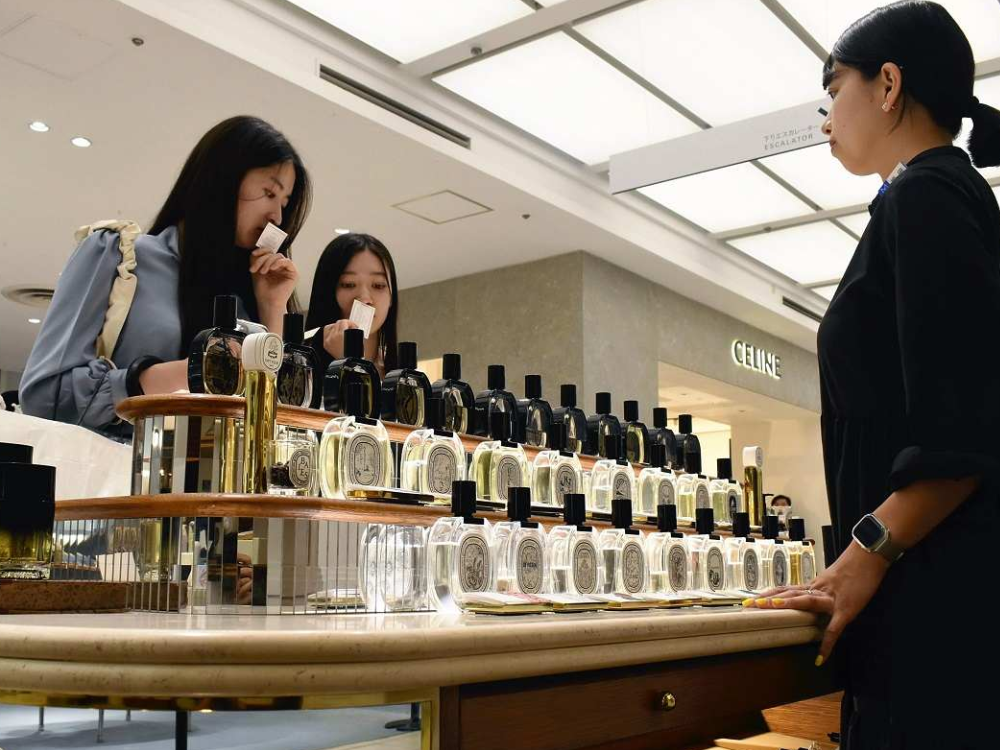
A new era of fragrance: influencers and driving forces
A new understanding of perfume and scent is spreading among young people in Japan. It is not just a change in consumer behaviour but a cultural shift, driven by several important factors.
- The explosive influence of social media: Instagram, TikTok and X (formerly Twitter) have given young people platforms where perfumes are no longer presented merely as products but as part of a lifestyle choice. Content creators share inspiring posts about their favourite fragrances and the effect they have.
- Western cultural influence: European perfumery traditions, with their elegant and refined style, have inspired young Japanese. French and Italian fragrances have become almost a status symbol among them.
- The K-pop phenomenon: Korean pop music has conquered all of Asia, including Japan. K-pop stars are often the faces of fragrance brands and influence young people's buying decisions.
- The impact of the pandemic: during the pandemic, home care routines received a lot of attention and people had the chance to experiment with new products. For many, perfume became a field of discovery and experimentation.
Impact on the market
This shift in young people's attitudes has given the Japanese perfume market new momentum. The market has grown noticeably in recent years, which is a big change in a country where wearing perfume used to be fairly rare.
Women still make up most buyers. Interestingly, young people often value novelty more than brand loyalty, which pushes companies to keep developing and launching new fragrances. If you would also like to express your mood through scent, read our article Perfumes for your mood and style.
The broader fragrance landscape
Besides perfumes, other fragrance products are also gaining popularity, including scented candles, bath products and home fragrances. They help create a complete experience in which scent is not limited to personal space but fills the whole living environment.
In Japan, perfumes are increasingly bought by tourists too, who appreciate the unique and exotic choices of the local market. Japanese scents are also attracting international attention, as is the wider interest in niche fragrances as an expression of art and identity.
Frequently asked questions (FAQ)
Q: Why has the Japanese attitude towards perfume changed?
A: Social media, K-pop culture and the Western lifestyle have had a major influence, popularising a more varied use of fragrance.
Q: Which perfume brands are popular in Japan?
A: Young Japanese often prefer internationally known brands such as Dior, Chanel and Givenchy, but the unique fragrances of local design brands are winning hearts too.
Q: Is interest in fragrance growing among men too?
A: Although women dominate the market, men's interest in fragrance is growing as well, especially for minimalist and trendy scents. Gender-neutral unisex fragrances are also becoming ever more popular.
Conclusion
The fragrance revolution among Japan's youth is much more than a rise in the popularity of perfume. It reflects a deeper change: the acceptance of personal identity and self-expression across the whole culture. Young people are not only embracing a new beauty product but also advancing a society in which individual freedom is valued as much as group harmony.